• Welcome to your new Gnomio site

    Now, you are in control!

    Moodle is an open-source Learning Management System (LMS) that provides educators with the tools and features to create and manage online courses. It allows educators to organize course materials, create quizzes and assignments, host discussion forums, and track student progress. Moodle is highly flexible and can be customized to meet the specific needs of different institutions and learning environments.

    Moodle supports both synchronous and asynchronous learning environments, enabling educators to host live webinars, video conferences, and chat sessions, as well as providing a variety of tools that support self-paced learning, including videos, interactive quizzes, and discussion forums. The platform also integrates with other tools and systems, such as Google Apps and plagiarism detection software, to provide a seamless learning experience.

    Moodle is widely used in educational institutions, including universities, K-12 schools, and corporate training programs. It is well-suited to online and blended learning environments and distance education programs. Additionally, Moodle's accessibility features make it a popular choice for learners with disabilities, ensuring that courses are inclusive and accessible to all learners.

    The Moodle community is an active group of users, developers, and educators who contribute to the platform's development and improvement. The community provides support, resources, and documentation for users, as well as a forum for sharing ideas and best practices. Moodle releases regular updates and improvements, ensuring that the platform remains up-to-date with the latest technologies and best practices.
    Links of interest:

    (You can edit or remove this text)

Available courses

1. Course Description

This course specifies the competencies required to coordinate disaster management programmes. It involves conducting disaster risk assessments, developing and executing disaster intervention plans, evaluating disaster management outcomes, and conducting post-disaster recovery and development activities in accordance with the National Disaster Management Authority (NDMA) guidelines and procedures.


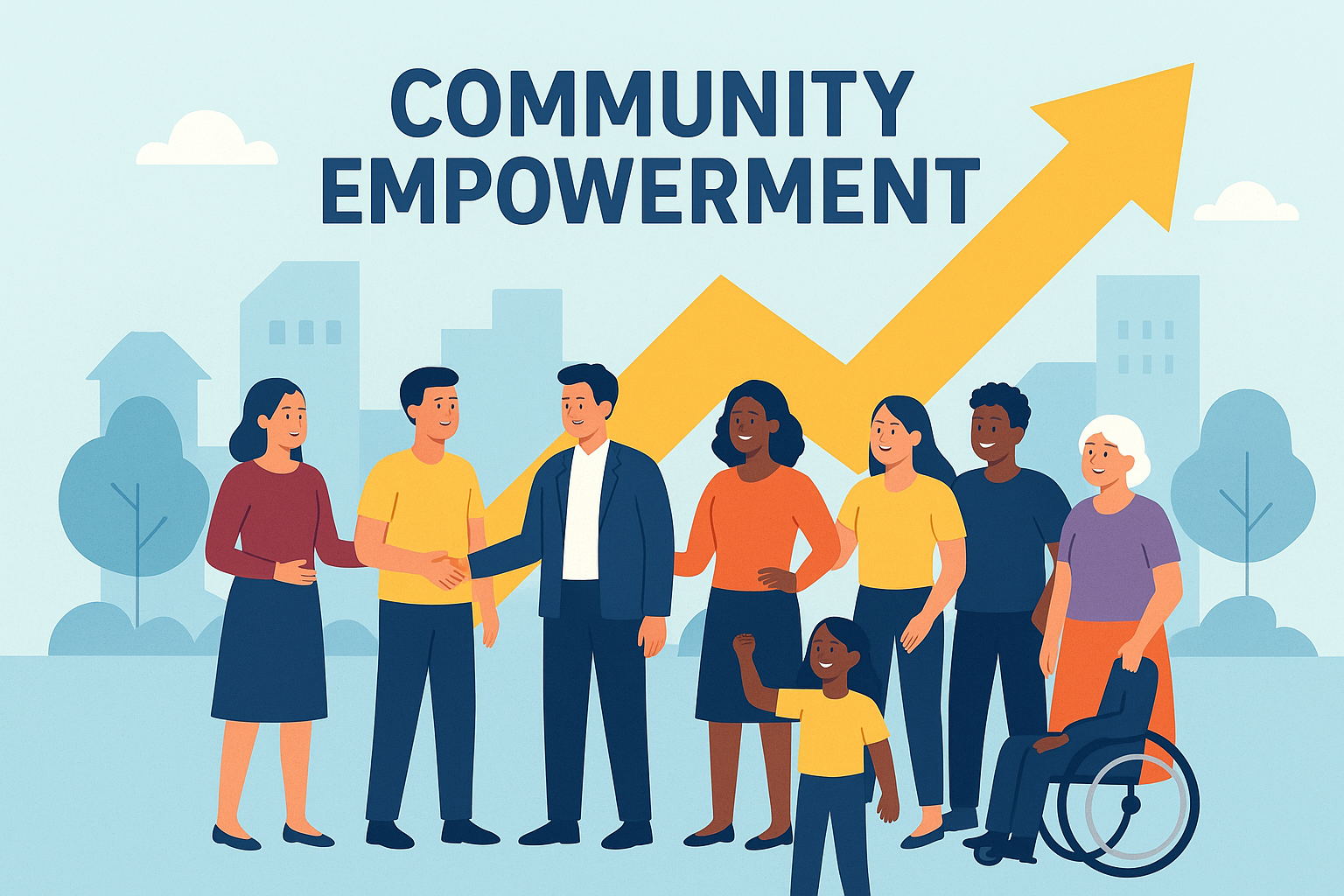
Course Description: Conduct Community Empowerment

TVET CDACC UNIT CODE: HW/CU/SW/CR/04/5/MA

Unit Code: 0923 551 09A

Unit Overview:
This unit specifies the competencies required to effectively conduct community empowerment initiatives. Learners will develop the knowledge, skills, and practical abilities to identify community needs, design and implement empowerment plans, evaluate outcomes, and document activities in compliance with workplace and legal standards. This unit emphasizes participatory approaches that engage diverse community leadership structures and stakeholders to ensure sustainable empowerment outcomes.

Learning Outcomes:
Upon successful completion of this unit, learners will be able to:

  1. Assess community needs by engaging leadership structures, conducting introductory meetings, and analyzing data using appropriate assessment tools.

  2. Develop a community empowerment plan by setting objectives, identifying strategies and resources, establishing communication channels, and anticipating potential challenges.

  3. Implement the community empowerment plan, allocating resources effectively, engaging partners, and ensuring the planned strategies are executed efficiently.

  4. Evaluate empowerment outcomes by monitoring key indicators such as social behavior improvement, awareness levels, and decision-making enhancements.

  5. Document community empowerment activities and outcomes in line with workplace procedures and legal and ethical standards.

Scope of the Unit:

  • Community Leadership Structures: Includes, but is not limited to, religious leaders, political leaders, women and youth leaders, and persons with disabilities.

  • Needs Assessment Tools: May include questionnaires, surveys, inventories, and SWOT analysis.

  • Empowerment Strategies: Training, public education, campaigns, and advocacy.

  • Challenges: Language and cultural barriers, geographic or climatic constraints, and political interference.

  • Key Indicators of Success: Improved social behavior, awareness, decision-making, and enhanced community participation.

Required Skills and Knowledge:

  • Skills: Presentation, communication, interpersonal skills, planning, report writing, critical thinking, teamwork, and managerial skills.

  • Knowledge: Social welfare policies, social work practices, empowerment principles, legal frameworks in social work, and digital literacy.

Assessment Guidelines and Weighting:
Learners’ competency will be assessed through the following:

  • Assignments: 10% – Practical exercises or written tasks based on community empowerment concepts.

  • Continuous Assessment Test (CAT): 20% – Written test covering unit concepts and procedures.

  • Presentation: 10% – Individual or group presentation on a community empowerment project or plan.

  • End-Term Examination: 60% – Comprehensive written assessment covering all unit elements.

Assessment may occur in the workplace or simulated environments, and holistic assessment with related units is recommended.

Resource Requirements:

  • Access to relevant community environments or simulated setups

  • Assessment and empowerment resources including communication tools, training materials, and documentation tools